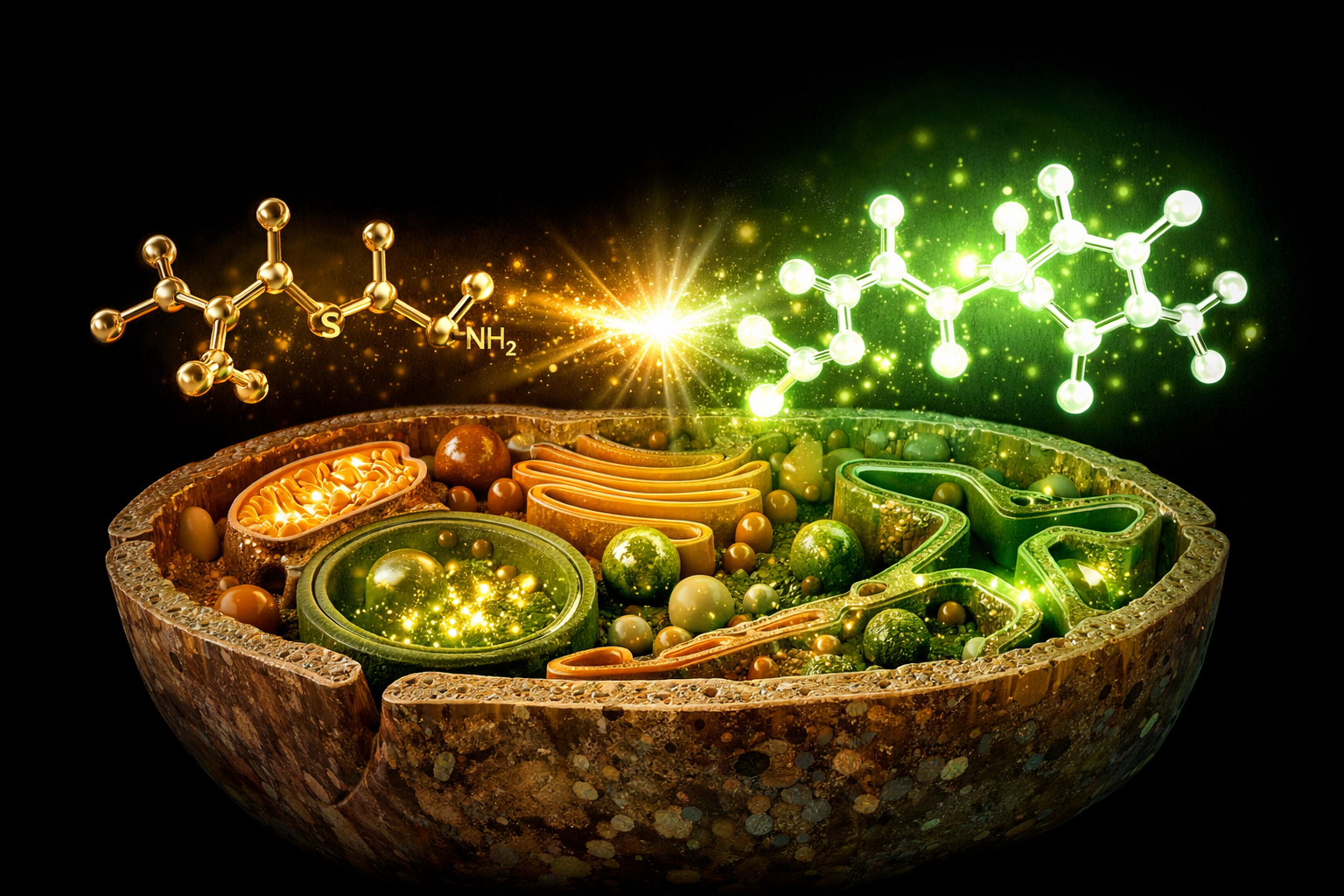
N-Acetyl Cysteine does not have a marketing budget. It has no branded form, no celebrity endorsement, and almost no presence in the mainstream supplement conversation. What it does have is one of the most well-documented mechanisms of any compound sold as a food supplement, a clinical track record that predates the modern supplement industry by decades, and a regulatory fight in the United States that almost removed it from consumer shelves entirely.
In Europe, NAC is a legal food supplement across all EU member states and remains freely available, unrestricted, in the UK, Switzerland, and Norway. European buyers have access to a compound that the US supplement market has been fighting to protect for years — and most are not using it.
This guide covers what NAC is, how it works, what the clinical evidence shows, its regulatory history in the US and status in Europe, the correct dosing protocol, and what it pairs well with.
What NAC Is: Precursor to the Body's Master Antioxidant
N-Acetyl Cysteine is a modified form of the amino acid cysteine. Cysteine is a conditionally essential amino acid: the body can produce it, but not always in sufficient quantities under conditions of stress, illness, or nutritional limitation. The acetyl group attached to NAC makes cysteine more bioavailable and stable than cysteine itself, which is poorly absorbed from supplements in its free form.
NAC's primary mechanism is straightforward: it is a precursor to glutathione. Glutathione is the most abundant intracellular antioxidant in the human body and one of the most important. It is often described as the "master antioxidant" not because of marketing hyperbole, but because of its central role in the body's antioxidant defence network.
Glutathione: Why It Matters
Glutathione is a tripeptide — three amino acids joined together: cysteine, glutamate, and glycine. Of these three, cysteine is the rate-limiting precursor. When cysteine is available, glutathione synthesis proceeds. When cysteine is limited — a common situation given dietary patterns, ageing, and chronic stress — glutathione production drops and intracellular antioxidant capacity falls.
Glutathione operates at several levels simultaneously:
- Direct antioxidant: Glutathione neutralises free radicals and reactive oxygen species directly, donating an electron and being oxidised in the process.
- Regeneration of other antioxidants: Glutathione recycles vitamins C and E back to their active forms after they have been oxidised, extending the antioxidant network's capacity.
- Detoxification: In the liver, glutathione conjugates with toxic compounds, heavy metals, and drug metabolites to facilitate their excretion. It is central to phase II liver detoxification.
- Immune function: Lymphocytes and other immune cells depend on intracellular glutathione levels for optimal function. Low glutathione is associated with impaired immune response.
Simply taking glutathione as a supplement is largely ineffective: it is broken down in the digestive tract before it can enter cells. NAC bypasses this problem by delivering cysteine in a form the cell can absorb and use directly for intracellular glutathione synthesis. This is why NAC is the standard clinical approach for raising intracellular glutathione.
Established Clinical Applications
Acetaminophen Overdose: The Proven Life-Saving Application
NAC's most firmly established clinical use is as the antidote to acetaminophen (paracetamol) overdose. This is not emerging research or observational data — it is standard emergency medicine, used in hospitals across Europe and worldwide.
Acetaminophen is metabolised primarily in the liver. At therapeutic doses, a small fraction is converted to NAPQI (N-acetyl-p-benzoquinone imine), a highly reactive toxic metabolite. Normally, NAPQI is rapidly detoxified by glutathione. In overdose, glutathione is depleted faster than it can be replenished, NAPQI accumulates, and liver cell death follows.
Intravenous NAC — administered within 8–24 hours of overdose — rapidly replenishes hepatic glutathione stores, detoxifying NAPQI and preventing the hepatotoxic cascade. When administered promptly, it is highly effective at preventing acute liver failure and death from acetaminophen overdose. This mechanism is unambiguous, reproducible, and has saved an extraordinary number of lives since NAC was introduced as an antidote in the 1970s.
This clinical application is clinically important for understanding supplemental NAC: if NAC can replenish liver glutathione rapidly enough to prevent fatal overdose toxicity, it clearly delivers meaningful cysteine to hepatic cells. The mechanism works.
Respiratory Mucus: The Mucolytic Effect
NAC has been used as an oral mucolytic — a mucus-thinning agent — in European respiratory medicine for over 50 years. It is sold as a prescription or over-the-counter drug in many EU countries under brand names including Fluimucil, Mucomyst, and others, specifically for this indication.
The mechanism is direct: NAC breaks disulfide bonds in the mucin glycoproteins that give mucus its viscous, gel-like structure. By cleaving these bonds, NAC reduces mucus viscosity and makes it easier to clear from the airways. This is a well-established mechanism studied in COPD, bronchitis, and cystic fibrosis.
A meta-analysis by Grandjean et al. (2000) covering 30 trials found oral NAC reduced the frequency and duration of acute exacerbations in chronic bronchitis. The doses used in these studies — 600–1,200 mg/day — are the same range used for general supplementation.
Emerging Research: Mental Health, Addiction, and Compulsive Behaviour
Beyond its established respiratory and liver applications, NAC has attracted growing research interest in psychiatry and neurology. The evidence in these areas is at a different stage of maturity than the overdose and respiratory data — promising but not conclusive. It is worth understanding what the research shows and what its limitations are.
OCD and Trichotillomania
One of the more compelling early trials in this area was Dean et al. (2011), which examined NAC in trichotillomania (compulsive hair-pulling disorder, classified within the OCD spectrum). In a randomised, double-blind, placebo-controlled trial, participants receiving 1,200–2,400 mg/day of NAC showed significant improvements compared to placebo in hair-pulling severity scores. The authors hypothesised that NAC's effects on glutamate regulation — a distinct mechanism from its antioxidant role — may underlie these benefits.
NAC modulates glutamate signalling in the brain through its effects on the cystine-glutamate antiporter, a transporter that exchanges extracellular cystine for intracellular glutamate. By affecting this transporter, NAC influences extracellular glutamate concentrations in brain regions associated with compulsive behaviour, including the nucleus accumbens and prefrontal cortex. This is a separate mechanism from glutathione synthesis and represents NAC's neurological profile as distinct from its antioxidant profile.
Addiction and Compulsive Behaviour
The glutamate modulation hypothesis has been extended to substance use disorders. Research by Mardikian et al. (2007) examined NAC in cocaine dependence and found significant reductions in cocaine use and craving among participants receiving 2,400 mg/day compared to placebo. Subsequent work in cannabis dependence, gambling disorder, and alcohol dependence has produced mixed results, with some trials showing benefit and others not reaching significance.
The current consensus in the research community is that NAC shows genuine but inconsistent efficacy across addictive and compulsive disorders. The glutamate hypothesis is mechanistically plausible and supported by animal research, but human clinical trials have not yet converged on a consistent effect size. This is an area of active investigation rather than settled science.
Liver Protection Beyond Overdose
NAC's hepatoprotective effects extend beyond the specific context of acetaminophen overdose. Research suggests NAC supplementation raises hepatic glutathione levels, supporting the liver's general capacity for detoxification and oxidative stress resistance. Studies have examined NAC in non-alcoholic fatty liver disease (NAFLD) and alcohol-related liver injury with generally supportive results, though the evidence base is smaller than for the overdose application.
A trial by Haber et al. (2010) found that NAC supplementation improved liver enzyme markers in patients with NAFLD over a 12-month period. The mechanism is consistent with NAC's known action: replenishing the glutathione stores that the liver depletes during detoxification work.
The US Regulatory Battle: Why NAC Was Nearly Banned
Understanding NAC's regulatory history in the United States is relevant context for European buyers who may have encountered alarming headlines about it.
In the US, the regulatory category for dietary supplements is established by the Dietary Supplement Health and Education Act (DSHEA) of 1994. Under DSHEA, a substance cannot be sold as a dietary supplement if it was first authorised as a drug in the US before it was sold as a supplement. NAC has been marketed and used as a pharmaceutical drug in the US since the 1960s (as the prescription drug Mucomyst). The legal argument is that NAC therefore cannot legally be a dietary supplement under DSHEA.
In 2020 and 2021, the FDA sent warning letters to supplement companies selling NAC products, asserting that NAC does not meet the definition of a dietary supplement under DSHEA due to its prior drug status. This created significant alarm in the US supplement industry and among consumers.
The FDA subsequently issued a statement indicating it was exercising enforcement discretion and would not take action against NAC products while it developed a formal regulatory approach. As of the time of writing, NAC remains widely available as a supplement in the US despite the unresolved legal ambiguity. The FDA has signalled it may create a new regulatory pathway for NAC and similar compounds.
Dosage, Timing, and Pairing
Dosage
The dose range studied in clinical trials is broad, reflecting NAC's use across multiple indications:
- 600 mg/day: The dose used in many mucolytic studies and the common starting point for general supplementation
- 1,200 mg/day: The mid-range dose used in chronic bronchitis trials and general antioxidant supplementation
- 1,800–2,400 mg/day: The dose range used in psychiatric studies (OCD spectrum, addiction research) and liver disease trials
For general supplementation to support glutathione levels and liver function, 600–1,200 mg/day split into two doses is a practical starting point. Higher doses (up to 1,800 mg) are used in specific contexts and are generally well tolerated, though gastrointestinal side effects are more common at higher amounts.
Take on an Empty Stomach
NAC is best absorbed when taken on an empty stomach. Food, particularly protein-rich food, introduces competing amino acids that reduce cysteine transporter uptake. Taking NAC 30–60 minutes before a meal or two hours after is preferable to co-ingestion with food.
Pair With Vitamin C for Enhanced Glutathione Recycling
Vitamin C (ascorbic acid) and glutathione operate in close partnership in the antioxidant network. Vitamin C reduces oxidised glutathione (GSSG) back to its active reduced form (GSH), effectively extending the lifespan of each glutathione molecule before it must be resynthesised. Taking NAC alongside 500–1,000 mg of vitamin C creates a synergy: NAC drives glutathione synthesis, and vitamin C recycles glutathione back to its active form more efficiently.
This pairing is well-supported mechanistically and is consistent with how antioxidant networks function. Both compounds are inexpensive and widely available across Europe.
| NAC Dose | Primary Application in Research | Notes |
|---|---|---|
| 600 mg/day | Mucolytic, general antioxidant support | Well tolerated; typical starting dose |
| 1,200 mg/day | Chronic bronchitis, liver function, glutathione elevation | Most common research dose for general supplementation |
| 1,800 mg/day | NAFLD, OCD spectrum, addiction studies | Split into 2–3 doses; GI effects more likely |
| 2,400 mg/day | Psychiatric research (compulsive disorders, substance use) | Upper research range; always split doses |
Side Effects and Precautions
Gastrointestinal Discomfort at High Doses
The most common side effect of NAC supplementation is gastrointestinal discomfort: nausea, abdominal cramping, and occasionally loose stools. These effects are dose-dependent and are more commonly reported at doses above 1,200 mg/day. Splitting the daily dose into two or three administrations substantially reduces this risk. Starting at a lower dose (600 mg/day) and titrating up over several weeks is a practical mitigation strategy.
Anticoagulant Interaction
NAC has mild antiplatelet effects and may potentiate the action of anticoagulant drugs including warfarin and heparin. Individuals taking blood-thinning medications should consult a prescribing physician before adding NAC. At standard supplement doses in otherwise healthy individuals without anticoagulant medication, this effect is not clinically significant.
Asthma Precaution
Inhaled NAC (as used in clinical settings for airway mucus clearance) can cause bronchospasm in some individuals with asthma. Oral NAC at supplement doses does not pose the same direct inhalation risk, but some individuals with reactive airways have reported increased sensitivity. People with asthma should begin at a low dose and monitor their response, and should discuss NAC use with a physician if they have poorly controlled asthma.
How NAC Compares to Direct Glutathione Supplementation
A common question is whether it is more effective to supplement NAC (a glutathione precursor) or glutathione itself. The answer is unambiguously NAC.
Oral glutathione is a tripeptide that is broken down by digestive peptidases in the gastrointestinal tract before it can be absorbed intact. The cysteine, glutamate, and glycine components are absorbed as individual amino acids and distributed systemically. The cell then has to reassemble these amino acids into glutathione — a process that still depends on cysteine being rate-limiting. Delivering NAC delivers cysteine more efficiently and in a form specifically adapted for cellular uptake via the cystine/glutamate transporter.
Liposomal glutathione (glutathione encapsulated in lipid nanoparticles to protect it from digestive breakdown) shows more promise than conventional oral glutathione, with some studies demonstrating genuine intracellular delivery. However, it is substantially more expensive than NAC, and the evidence base for its superiority over NAC at equivalent cost is not yet established. NAC remains the practical, evidence-backed standard.
Where to Buy NAC in Europe
NAC is widely available as a food supplement across European markets. Unlike in the US, there are no supply chain concerns or legal ambiguity affecting European buyers.
- Solgar NAC 600 mg: Widely stocked across European pharmacies, health food stores, and online retailers including Amazon.de, Amazon.fr, and Amazon.es. Solgar's supplement quality is consistent and third-party tested.
- NOW Foods NAC: Available in 600 mg and 1,000 mg capsule forms via iHerb with EU shipping and various European Amazon storefronts. Good value at scale.
- Jarrow Formulas NAC: Available via iHerb. 500 mg and 1,000 mg options.
- Pharmaceutical-grade NAC (Fluimucil, Mucomyst): Available over the counter in many EU pharmacies (particularly Germany, France, Italy, and Spain) in sachets or tablets at 600 mg doses. Pharmaceutical-grade quality assurance. This is the same compound at the same dose as supplement products — the pharmaceutical designation reflects its route-to-market, not a quality difference.
Expect to pay €15–30 for a 60-to-90-day supply of NAC at 600–1,200 mg/day depending on the brand and retailer. It is one of the least expensive supplements per dose relative to its evidence base.
Key Takeaways
- NAC is a cysteine precursor that replenishes intracellular glutathione — the body's primary endogenous antioxidant — by supplying the rate-limiting amino acid for its synthesis.
- Its most established clinical application is reversal of acetaminophen-induced liver toxicity through glutathione replenishment — a life-saving use in emergency medicine.
- Oral NAC has a well-documented mucolytic effect, reducing mucus viscosity in chronic bronchitis and respiratory conditions at 600–1,200 mg/day.
- Emerging psychiatric research suggests NAC may reduce compulsive behaviours through glutamate modulation, though this evidence is less mature than the liver and respiratory data.
- The US regulatory battle over NAC has no relevance to European buyers. NAC is a legal food supplement across all EU member states, the UK, Switzerland, and Norway.
- Effective dose range for supplementation: 600–1,800 mg/day split into two doses, taken on an empty stomach. Pair with 500–1,000 mg vitamin C for enhanced glutathione recycling.
- GI discomfort is the most common side effect at higher doses. Individuals on anticoagulants or with reactive airway disease should consult a physician before use.
Sources
- Heard KJ. Acetylcysteine for Acetaminophen Poisoning. N Engl J Med. 2008;359(3):285–292. pubmed.ncbi.nlm.nih.gov/18635433
- Grandjean EM, et al. Efficacy of oral long-term N-acetylcysteine in chronic bronchopulmonary disease: a meta-analysis of published double-blind, placebo-controlled clinical trials. Clin Ther. 2000;22(2):209–221. pubmed.ncbi.nlm.nih.gov/11255207
- Dean OM, et al. N-Acetyl Cysteine in Psychiatry: Current Therapeutic Evidence and Potential Mechanisms of Action. J Psychiatry Neurosci. 2011;36(2):78–86. pubmed.ncbi.nlm.nih.gov/21118657
- Grant JE, et al. N-Acetyl Cysteine, a Glutamate Modulator, in the Treatment of Trichotillomania. Arch Gen Psychiatry. 2009;66(7):756–763. pubmed.ncbi.nlm.nih.gov/19581567
- Mardikian PN, et al. An open-label trial of N-acetylcysteine for the treatment of cocaine dependence: a pilot study. Prog Neuropsychopharmacol Biol Psychiatry. 2007;31(2):389–394. pubmed.ncbi.nlm.nih.gov/16989920
- Haber PS, et al. Markers of non-alcoholic fatty liver disease and their association with N-acetylcysteine therapy. J Gastroenterol Hepatol. 2010;25(4):649–655. pubmed.ncbi.nlm.nih.gov/20210820
- Kerksick C, Willoughby D. The Antioxidant Role of Glutathione and N-Acetyl-Cysteine Supplements and Exercise-Induced Oxidative Stress. J Int Soc Sports Nutr. 2005;2(2):38–44. pubmed.ncbi.nlm.nih.gov/18500954
- Rushworth GF, Megson IL. Existing and potential therapeutic uses for N-acetylcysteine: the need for conversion to intracellular glutathione for antioxidant benefits. Pharmacol Ther. 2014;141(2):150–159. pubmed.ncbi.nlm.nih.gov/24080471
- Atkuri KR, Mantovani JJ, Herzenberg LA, Herzenberg LA. N-Acetylcysteine — a safe antidote for cysteine/glutathione deficiency. Curr Opin Pharmacol. 2007;7(4):355–359. pubmed.ncbi.nlm.nih.gov/17602868
- Mokhtari V, et al. A Review on Various Uses of N-Acetyl Cysteine. Cell J. 2017;19(1):11–17. pubmed.ncbi.nlm.nih.gov/28367412
- Ferreira LF, Reid MB. Muscle-derived ROS and thiol regulation in muscle fatigue. J Appl Physiol. 2008;104(3):853–860. pubmed.ncbi.nlm.nih.gov/18006869
- US Food and Drug Administration. FDA Response to CHPA Citizen Petition on NAC. 2021. fda.gov